
Photo credit: pexel
Quick answer
The best online business to start in Ghana in 2026 depends mostly on how much time and capital you have, not on chasing a single "best" idea. Service-based businesses (design, web development, consulting, quoting/contracting services) have the lowest startup cost and fastest path to income, since you're selling skills, not stock. E-commerce and reselling (via WhatsApp, Instagram, or a proper online store) work well if you already have a product or supplier relationship. Digital products and content (courses, templates, niche content sites) take longer to build momentum but scale without added labour. For most first-time Ghanaian entrepreneurs, a service-based business is the realistic starting point — low risk, immediate demand, and it can be run entirely from a phone.
Why "online business" means something different in Ghana
Most global guides to online business assume a US or European starting point: a Shopify store, Stripe payments, a laptop-first workflow. That doesn't map cleanly onto how business actually happens in Accra, Kumasi, or Takoradi.
Here, an "online business" usually starts on WhatsApp, not a website. Payment happens through mobile money and Paystack, not PayPal. And a huge share of demand — repairs, events, tailoring, quotes for services — is local, even when the enquiry and the sale both happen online.
That changes which businesses are realistic to start. The best ones aren't necessarily the most "digital" — they're the ones that fit how Ghanaian customers already browse, ask, and pay.
The best online businesses to start in Ghana in 2026
1. Service-based businesses (design, web development, consulting, quoting)

Startup cost: Very low — a phone, data, and a skill.
If you already know how to design, write, build websites, or run social media, this is the fastest route to your first paying customer. Demand from Ghanaian SMEs for affordable digital services — branding, websites, social content — keeps growing as more businesses try to establish an online presence.
Why it works: No inventory, no shipping, no upfront stock risk. You're selling time and skill, and you can start today with the tools you already have.
Where it gets messy: Enquiries come in through WhatsApp, Instagram DMs, referrals, and a contact form if you have one — and they get lost. A service business that grows past a handful of clients needs a way to track who enquired, who got a quote, who paid, and who still needs a follow-up. This is usually the first real bottleneck a growing service business hits, long before demand becomes the problem — and it's exactly what a CRM like KwoTit is built to solve: enquiries become tracked leads instead of scattered chats, and nothing slips through because someone forgot to update a spreadsheet.
2. E-commerce and social media reselling

Startup cost: Low to moderate, depending on inventory.
Selling products through Instagram, TikTok, and WhatsApp Business — skincare, phone accessories, fashion, imported goods — remains one of the most common ways Ghanaians start an online business, because it doesn't require a website to begin.
Why it works: Low barrier to entry, and customers are already used to buying this way.
Where it gets messy: Managing orders across DMs and WhatsApp chats gets chaotic fast, and payment collection (especially getting paid reliably via mobile money and card) becomes the actual operational bottleneck, not the selling itself.
3. Digital products and niche content

Startup cost: Low in cash, high in time.
Courses, templates, niche blogs, and content-driven platforms (like business-focused content sites already operating in Ghana) can generate steady income once they build an audience — but they're slow to start and depend on consistent content output before they pay off.
Why it works: Once built, a digital product or content site scales without proportional extra labour.
Where it gets messy: It's the slowest of the three to reach meaningful income, and easiest to abandon before it gains traction.
4. Fintech-adjacent and mobile money services
Startup cost: Low to moderate.
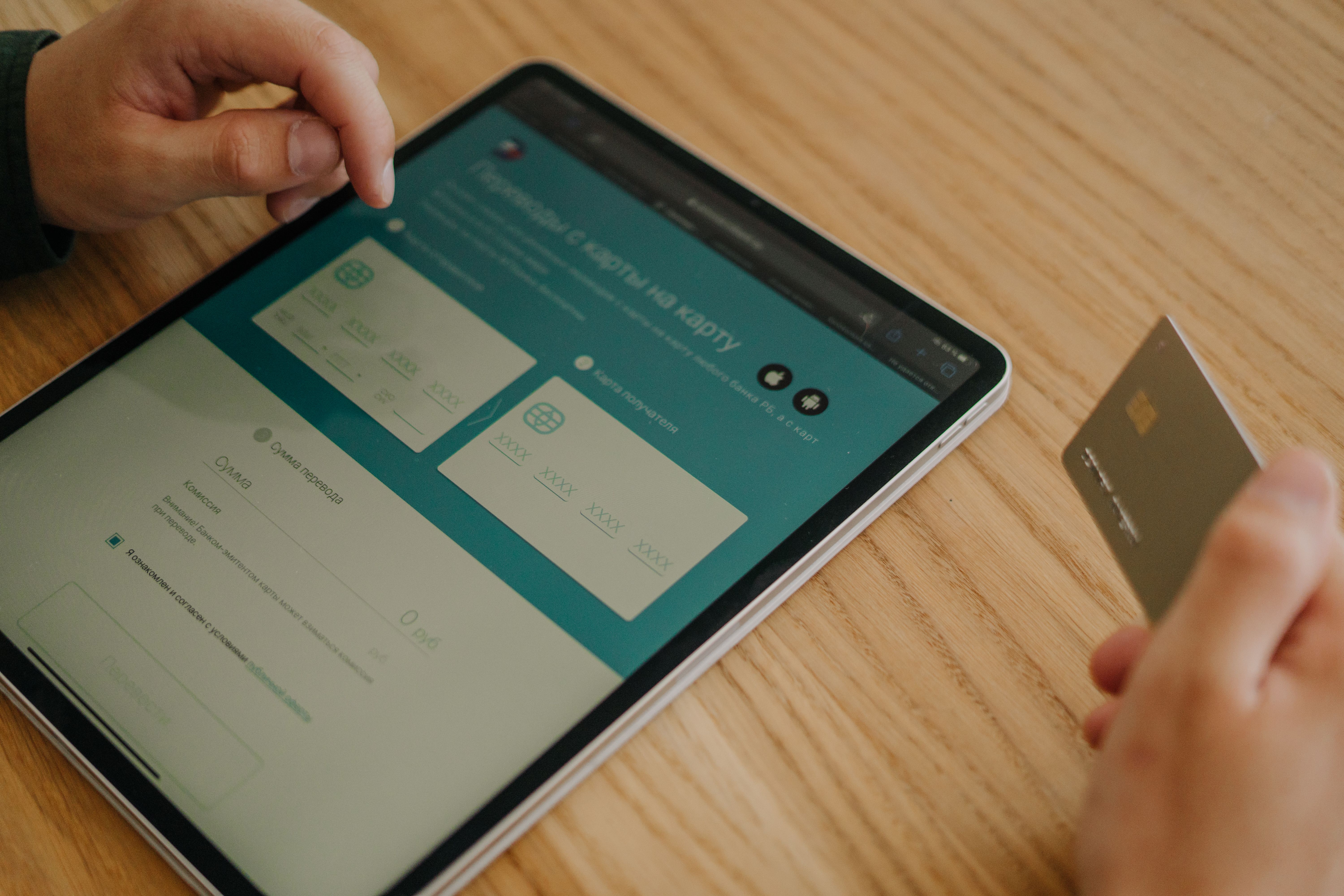
Mobile money agent work, POS services, and small fintech tools built around Ghana's mobile money ecosystem continue to find demand as digital payments keep displacing cash for everyday transactions.
Why it works: Ghana's mobile money infrastructure is mature and widely trusted, so services built on top of it inherit existing user habits.
Where it gets messy: More regulatory and capital requirements than the other categories, especially for anything handling customer funds directly.
Comparison: Online Business Options in Ghana (2026)
| Business Type | Startup Cost | Time to First Sale | Main Bottleneck |
|---|---|---|---|
| Service-based (design, web, consulting) | Very low | Fast (days–weeks) | Tracking leads and follow-ups as client volume grows |
| E-commerce / social reselling | Low–moderate | Fast (days–weeks) | Order management and reliable local payment collection |
| Digital products / content | Low cash, high time | Slow (months) | Building an audience before income appears |
| Fintech / mobile money services | Low–moderate | Moderate | Regulatory requirements and handling customer funds |
Frequently Asked Questions
Which online business is best to start in Ghana? For most first-time entrepreneurs, a service-based business — design, web development, consulting, or quoting for a skilled trade — is the most realistic starting point. It needs almost no capital, demand already exists among Ghanaian SMEs, and it can be run from a phone.
Can I start an online business in Ghana with no capital? Yes. Service-based businesses (offering a skill you already have) and social media reselling with a supplier who ships on order both require minimal upfront capital compared to holding your own inventory.
How do online businesses in Ghana usually get paid? Most rely on mobile money and Paystack rather than card-only processors like Stripe or PayPal, since those don't reliably support payouts to Ghanaian accounts. Any online business collecting payment locally should be built around mobile money and local bank transfer from day one.
What's the biggest challenge for a new online business in Ghana? It's rarely finding the first customer — it's keeping track of customers as volume grows. Enquiries scattered across WhatsApp, Instagram, and calls get lost without a system to log and follow up on them, which is why many growing businesses eventually move off notebooks and spreadsheets onto dedicated tools.
Do I need a website to start an online business in Ghana? No. Many Ghanaian online businesses start entirely on WhatsApp and Instagram. A website matters less early on than having somewhere enquiries actually land — which is what a CRM like KwoTit is for, once volume grows past what DMs can handle.
What CRM should I use for an online business in Ghana? Look for one built around how Ghanaian businesses actually operate — enquiries from WhatsApp and social media, and payment via mobile money or Paystack rather than card-only processors. KwoTit is built specifically for this: it captures leads, tracks them through a pipeline, and connects to Paystack for local payment collection.
Final thoughts
There's no single "best" online business in Ghana — the right one depends on what you already have: a skill, a supplier relationship, or time to build an audience. What all of them eventually run into is the same problem: once enquiries start coming in faster than you can track them by memory, growth stalls on operations, not demand.
That's the point where a CRM built for how West African online businesses actually work — capturing leads, tracking follow-ups, and getting paid via Paystack — starts to earn its place. KwoTit is built for exactly that.